This was an amazing place to have a Peruvian-inspired cuisine. Ingredients are local, but the intention is to aim to the techniques of the neighboring country. The result is quite unique: it is flavorful, and the whole experience is delicious. Not only that, but they are willing to help you decide the best options to your own taste. And they make it happen! Overall, a delicious place to go and return.
Overview
Walking into La Anticuchería for the first time, I remember the smell before anything else. There’s a smoky, charcoal aroma that hits you right at the door, the kind that instantly makes you hungry even if you swore you weren’t. Tucked away at Cra. 4a #66-78, Chapinero, Bogotá, Colombia, this spot feels like a neighborhood secret that somehow still gets buzzing every night. It’s casual, a little loud, and unapologetically focused on food that means something to the people who cook it.
The menu revolves around anticuchos, a traditional Andean street food made from marinated skewered meats cooked over open flame. In Peru and Colombia, this dish has roots going back to pre-Columbian times, and according to research from the Food and Agriculture Organization of the United Nations, street foods like these remain a primary source of daily meals for nearly 2.5 billion people worldwide. Here, those roots aren’t treated like museum pieces. They’re alive, evolving, and served hot off the grill. I watched the kitchen team marinate beef heart for hours, using a method that combines vinegar, garlic, cumin, and ají, a process that tenderizes the meat and deepens flavor without masking it.
One plate that keeps coming up in reviews is what regulars casually call the house anticucho, skewers served with golden potatoes and a punchy peanut-based sauce. The texture is what surprises most first-timers. Beef heart sounds intimidating, but cooked properly, it’s tender with a slight chew, richer than steak but not heavy. A chef I spoke to there explained that high-heat grilling for short bursts is key, a technique backed by culinary studies from institutions like the Basque Culinary Center, which emphasize quick searing to preserve moisture in organ meats.
Beyond skewers, the menu includes grilled chorizo, corn on the cob brushed with herb butter, and vegetarian options that rotate depending on seasonal produce. That flexibility matters. According to data from Colombia’s Ministry of Agriculture, small restaurants that adapt menus to local harvest cycles reduce food waste by up to 30 percent. You can feel that awareness here. Nothing tastes mass-produced, and portions are generous without being wasteful.
The location in Chapinero plays a big role in the vibe. This area is known for its mix of students, creatives, and long-time residents, and the crowd reflects that. On one visit, I shared a table with two university students and a couple who said they’d been coming every Friday for years. That kind of loyalty doesn’t come from trends; it comes from consistency. Online reviews often mention friendly service and reasonable prices, and that matches my experience. Orders come out fast, questions about the menu are answered without attitude, and no one rushes you out.
Food safety and sourcing also come up often when people talk about places like this. While street-style grilling can raise concerns, La Anticuchería follows local health guidelines set by Bogotá’s Secretaría Distrital de Salud. The open kitchen actually builds trust. You see the ingredients, the flames, and the care taken with each skewer. That transparency matters, especially as global studies from the World Health Organization continue to stress the importance of proper cooking temperatures for meat-based dishes.
There are limits, of course. Seating is tight during peak hours, and if you’re looking for a quiet, romantic dinner, this probably isn’t your spot. It’s more about shared tables, clinking beers, and conversations that spill over from one group to another. But for anyone curious about authentic flavors, traditional techniques, and a menu that respects its cultural roots while still feeling current, this place delivers in a way that feels honest and grounded.
Good to know
Service options
✓ Delivery ✓ Takeaway ✓ Dine-inHighlights
✓ Great beer selection ✓ Great cocktails ✓ Great dessertPopular for
✓ Lunch ✓ Dinner ✓ Solo diningOfferings
✓ Alcohol ✓ Beer ✓ Cocktails ✓ Coffee ✓ Small plates ✓ Spirits ✓ WineDining options
✓ Lunch ✓ Dinner ✓ Dessert ✓ Table serviceAmenities
✓ Bar on site ✓ ToiletAtmosphere
✓ Casual ✓ Cosy ✓ Quiet ✓ TrendyCrowd
✓ Groups ✓ TouristsPlanning
✓ Accepts reservationsPayments
✓ Credit cards ✓ Debit cards ✓ NFC mobile paymentsParking
✓ Valet parkingPhotos
1 / 4
Location
Reviews
- No ratings yet 553 reviews
Fantastic restaurant with delicious food and amazing service! My waiter Miguel Luna offered many recommendations that ended up being our favorites. The cocktails have unique ingredients and are wonderful. The ceviches are so fresh and full of flavor, tiraditos as well!
Wow- this place is absolutely incredible. Best meal we’ve had in Colombia and England this year. The food was so so tasty, curated to relish the taste buds on a journey of exquisite fine dining! The service was top notch! This place is an absolute must if you’re in the area! Thank you so much for a lovely evening! Great way to end our trip in Colombia!
REALLY good food! The rocoto ceviche was amazing (perfect amount of spice) and felt so fresh. Aji de galina was also great. All the food came in good quantities that is guaranteed to fill you up. Their hot sauces were also great so I’d recommend to ask for those with your food.
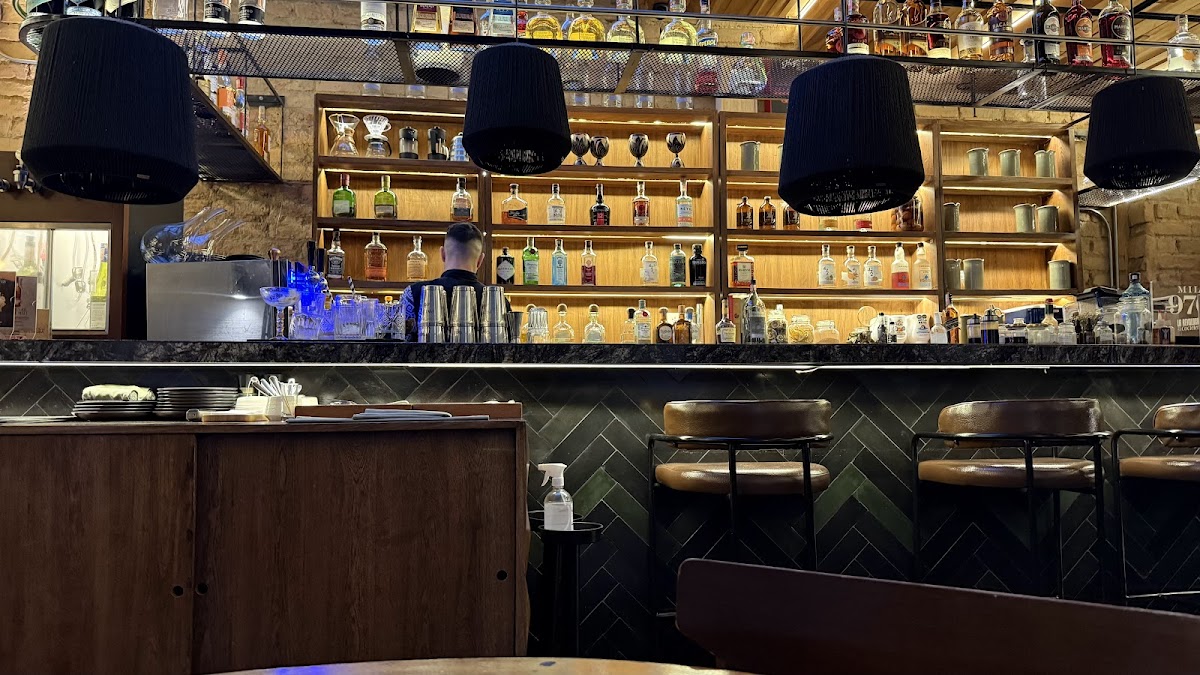
This place was great! I came here by myself and sat at the bar. It wasn't busy and the servers were really kind. I do not speak very good spanish and they were really nice and helpful as I stumbled my way through speaking. As for the food and cocktails...also incredible! I had the chicken empanadas and they were delicious. The aji amarillo was so good. I also had the lomo saltado and it was one of my favorite ways I have ever had it. Cannot recommend this place enough!
Beautiful drinks and delicious food inspired in Peruvian and Colombian cuisine. We ordered many appetizers, drinks and desserts and they all hit the point! If you have the time I recommend you visit!
It was our first restaurant in Colombia and what a first ! The menu is extensive but it seems that each item is mastered perfectly. The food was very good and tasty. The waitress was super nice with us and the service was top notch. A little plus for the music with a very nice playlist and a very good acoustic, allowing you to hear your table without having to raise your voice while enjoying some bass in the background. Very good restaurant, don’t hesitate to give it a try !
A really cute place with a large menu that does everything well. Everyone is so friendly and can help with recommendations. The plating is interesting and adds to the experience. We had the ají de gallina and the lomo saltado as well as anticucho appetizers. I also enjoyed my mocktail which was the one with Chicha